
The thrill of uncertainty
The essence of casino games lies in their unpredictability. Players are drawn to the thrill of not knowing the outcome, which stimulates the brain’s reward system. This element of surprise creates an adrenaline rush, making every game an exciting experience. The feeling of uncertainty can amplify emotions, making wins feel more significant and losses more bearable. Many enthusiasts also seek out the best slots to play online for real money to further enhance their gaming experiences.
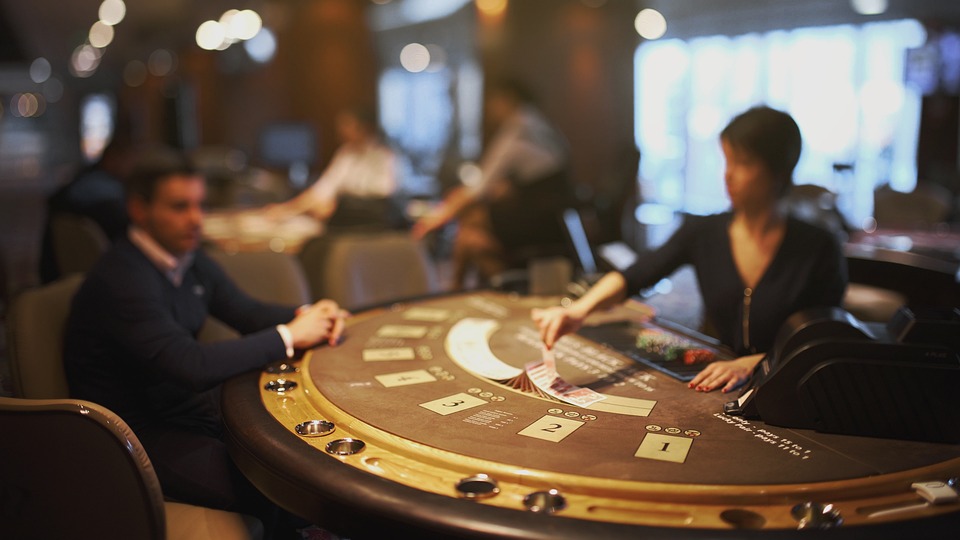
This unpredictability taps into a broader psychological phenomenon known as the “gambler’s fallacy,” where players believe that past events can influence future outcomes. For instance, if a player has lost several times, they might feel that a win is “due,” enhancing their desire to keep playing. This psychological tension between hope and chance is a core element that keeps players coming back for more.
The power of positive reinforcement
Positive reinforcement is a central component of how casino games operate. When players win, even if it’s a small amount, their brains release dopamine, a neurotransmitter associated with pleasure and reward. This release not only makes them feel good in the moment but also encourages them to seek similar experiences in the future. The more often players experience wins, the more ingrained the desire to return becomes.
Casinos expertly design their games to ensure frequent small victories, which can lead to a false sense of security. Players might perceive these small wins as stepping stones to larger successes, driving them to continue playing. This strategy exploits the psychology of hope, making players feel lucky and often leading to prolonged gameplay despite the odds stacking against them.
The influence of environment and design
The physical and sensory environment of a casino plays a crucial role in how players feel while they are gaming. From the vibrant colors to the sounds of spinning wheels and cheering crowds, every detail is meticulously crafted to enhance the gaming experience. This environment can evoke a sense of euphoria and excitement, compelling players to immerse themselves deeply in the games.
Moreover, many casinos use psychological tactics such as removing clocks and windows to keep players engaged for longer periods. By manipulating their surroundings, they create a space where time becomes irrelevant, allowing players to lose track of reality. This environment can foster a feeling of being in a “lucky zone,” where players believe that fortune is on their side, further fueling their participation in games.
The social aspect of gaming
Casino games are inherently social experiences. Whether playing alongside friends or strangers, the communal aspect of gaming can amplify feelings of excitement and luck. Social interactions, such as celebrating wins together or sharing strategies, create bonds and enhance the enjoyment of the gaming experience. This camaraderie can lead to a more profound sense of connection to the game and the notion of being lucky due to collective energy.
Additionally, social proof plays a role in how players perceive luck. Seeing others win can evoke feelings of optimism, leading individuals to believe that they, too, might hit it big. This psychological phenomenon can contribute to the allure of casinos, where the communal atmosphere fosters a shared feeling of hope and luck among players.

Discover more about casino culture at The Emerald Cup
At The Emerald Cup, we delve into the fascinating intersection of culture and competition, exploring elements that resonate with people on different psychological levels. While we primarily focus on cannabis culture, the exploration of luck and chance—similar to what is found in casinos—is a concept that transcends all areas of interest.
By engaging with our community, you’ll not only discover more about cannabis events and competitions but also connect with others who share an interest in the psychology of luck and chance. Exploring these themes can provide a deeper understanding of what influences our experiences, whether in gaming or any other competitive setting.