
The allure of casino games
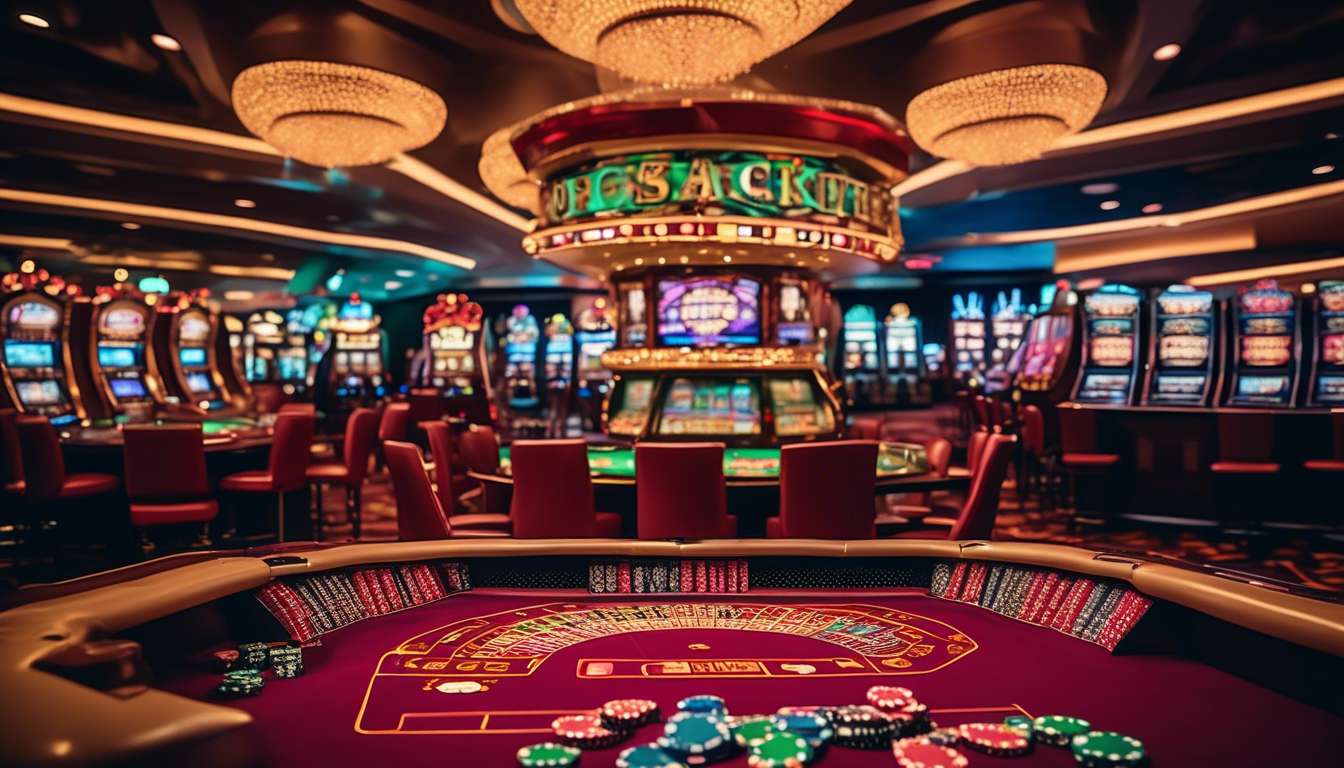
Casino games are designed to captivate players, enticing them with the promise of excitement and potential rewards. The thrill of chance, combined with the possibility of winning substantial sums of money, creates a magnetic pull that draws many individuals into casinos and online gambling platforms. This allure is often enhanced by the stimulating environment of casinos, which include vibrant lights, engaging sounds, and even the aroma of complimentary beverages. Moreover, this experience can be further enriched by exploring options like canadian online casino that provide diverse game offerings. Together, these elements create a sensory experience that can heighten emotional responses and influence decision-making.

Moreover, the concept of intermittent rewards plays a significant role in the appeal of casino games. Similar to slot machines, which deliver a mix of wins and losses, the anticipation of a potential jackpot can lead players to return, driven by the hope of the next big win. This unpredictability not only keeps players engaged but also activates reward centers in the brain, making them more likely to continue playing despite losses.
The role of cognitive biases
Understanding player behavior in casinos also involves examining cognitive biases that skew judgment. One prominent example is the illusion of control, where players believe they can influence the outcome of games that are purely based on chance. This belief can lead players to engage more frequently, as they may feel they have a greater capability to win than is actually the case. This distortion of reality can keep players at the gaming tables longer than they initially intended.
Another significant cognitive bias is the gambler’s fallacy, where players mistakenly believe that past outcomes affect future results. For instance, if a slot machine hasn’t paid out in a while, a player might think it’s ‘due’ for a win. Such misconceptions can lead to irrational betting behaviors, where individuals chase losses or commit larger sums, hoping to break even, often leading to greater financial risk.
The social aspect of gambling
The social dynamics of casino environments also contribute to player behavior. Many individuals are drawn to the communal atmosphere of casinos, where they can interact with others, share their experiences, and celebrate wins together. This social interaction can amplify the enjoyment of gambling, making it feel like a shared adventure rather than an isolated activity. Players may feel more energized and optimistic when surrounded by others, further driving their engagement.
Additionally, the introduction of social gaming elements in online casinos, such as leaderboards and multiplayer games, has fostered a sense of community among players. This encourages competitive behavior, enhancing the overall experience and making gambling more appealing. Players often feel a psychological connection to their peers, which can reinforce their desire to participate in gaming activities.
The impact of marketing and advertising
Marketing strategies employed by casinos and online gambling platforms heavily influence player behavior. Advertisements often highlight big wins and glamorous lifestyles, creating an aspirational image that many find alluring. This portrayal can lead to a sense of urgency, compelling potential players to try their luck with the hope of attaining similar success.
Furthermore, promotions such as bonuses, free spins, and reward programs are specifically designed to attract and retain players. These incentives can create a cycle of continued play as individuals are enticed by the prospect of maximizing their value. However, this can sometimes lead to problematic gambling behaviors, as players may feel pressured to keep playing to take full advantage of these offers.
Ensuring safe gambling practices
In light of the psychological influences at play in the world of gambling, the importance of responsible gaming cannot be overstated. Many online casinos and gambling establishments are implementing measures to promote safer gambling practices. These include providing resources for players to set limits on their spending, access tools for self-exclusion, and offering educational materials on the risks associated with gambling.
By fostering an environment that prioritizes player well-being, casinos aim to mitigate the negative aspects of gambling behavior and ensure a safer experience for all participants. Communication and support systems are integral to this approach, empowering players to make informed choices regarding their gambling activities. This commitment to safety not only benefits players but also enhances the reputation of the gaming industry as a whole.